
Helping refugee and migrant women feel informed, heard and supported
We work alongside refugee and migrant women to make maternity information more accessible and help them connect with appropriate care. Through community workshops, liaison with maternity services and collaboration with Newcastle University, we help women’s experiences shape better information and understanding.
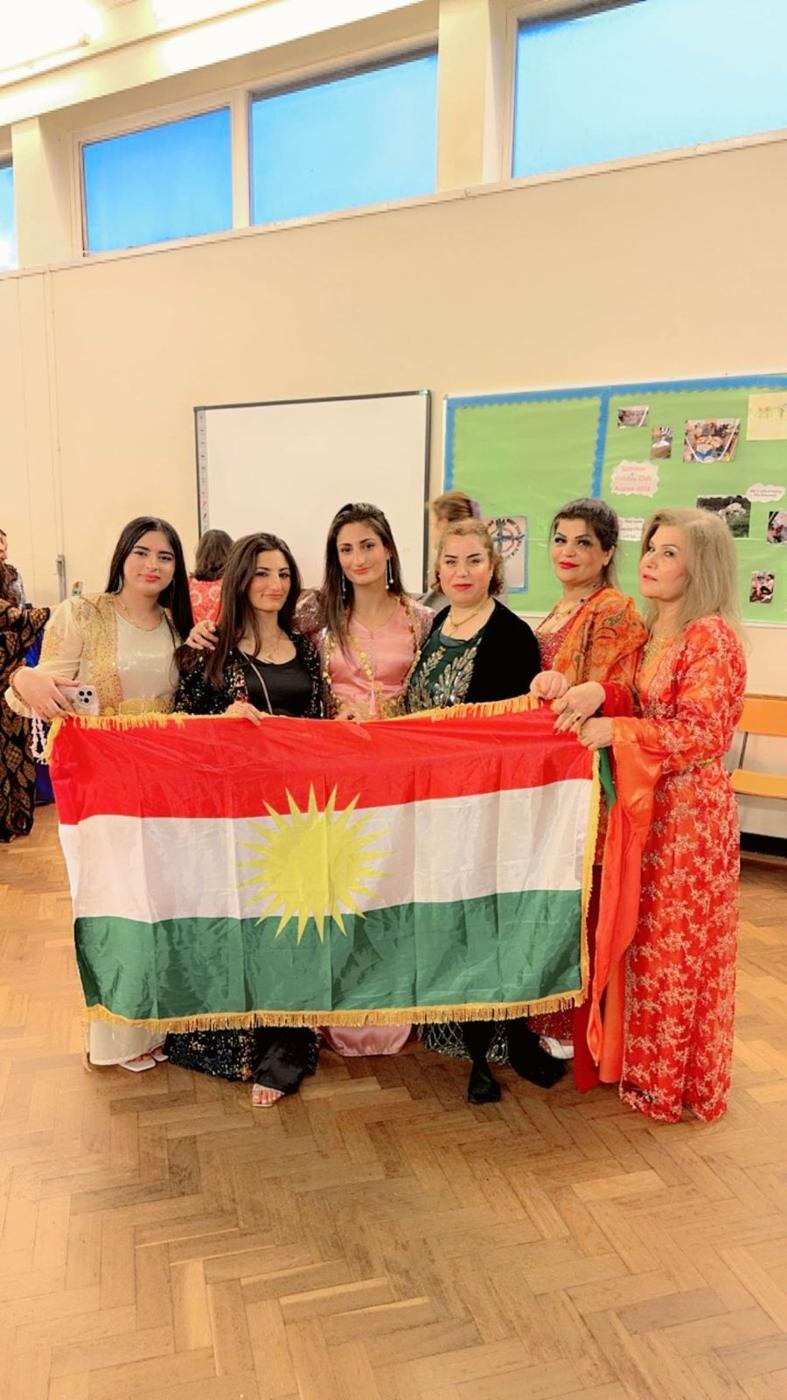
Pregnancy and maternity support
Pregnancy can bring excitement, uncertainty and many questions. For women who are new to the UK, understanding maternity services can be particularly challenging, especially when information is unfamiliar, English is an additional language or family support is far away.
At Integration Station CIC, we work alongside refugee and migrant communities in Gateshead, Newcastle and Sunderland to help women understand maternity information, communicate their concerns and connect with appropriate services.
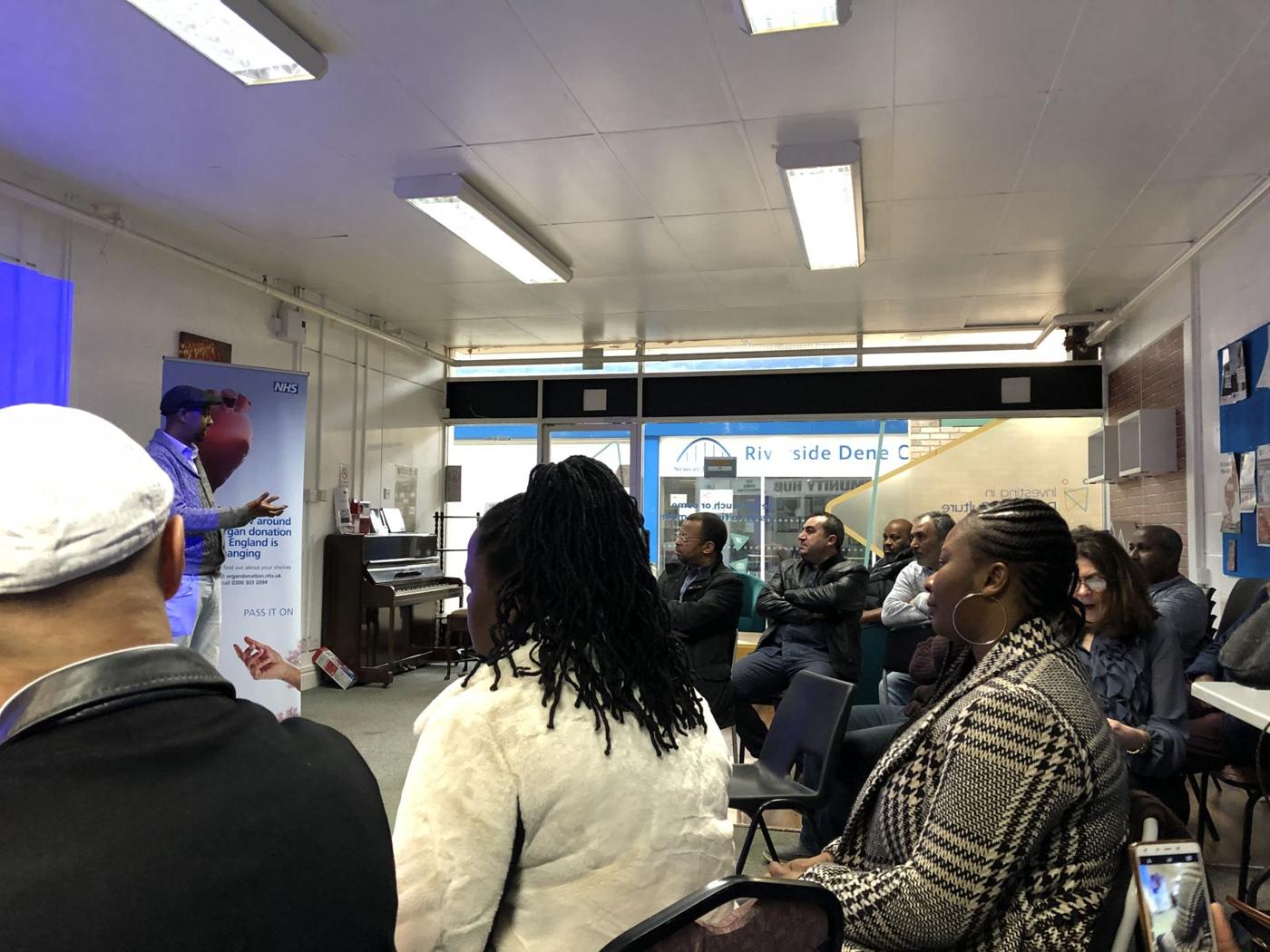
How we help
Our maternity work brings together community discussions, information sessions and liaison with healthcare professionals.
Understanding pregnancy and maternity care
Working through trusted community groups, we organise discussions and workshops using translated NHS information. Topics include antenatal care, screening choices, reproductive choices, concerns about pregnancy loss and female genital mutilation.
We help women explore information and identify questions to discuss with their midwife or doctor, respecting their individual beliefs, preferences and decisions.
Connecting with maternity services
Where women need help communicating concerns, we liaise with antenatal services and help connect them with appropriate support.
Our role is to help bridge the gap between communities and services, particularly where language barriers or unfamiliar systems make accessing care difficult.
Bringing communities and professionals together
We invite healthcare professionals into familiar community settings to share information and listen to women’s questions. Community representatives also share their experiences with maternity staff, including at Newcastle’s Royal Victoria Infirmary.
These conversations help build understanding in both directions: women learn more about available care, while professionals hear about the barriers communities experience.
Shaped by lived experience
We work alongside women-led community groups whose members understand the challenges of navigating unfamiliar services.
Women’s experiences help shape the subjects we discuss, the information we use and the ways people can participate.
Research with Newcastle University
In 2024 Integration Station worked in partnership with Newcastle University and the Roma community (through Roma Right Path Project CIC). Integration Station also collaborated with Newcastle University on ERicar2 (2025–2026), a project bringing Arabic-speaking migrant mothers together to help create accessible antenatal information.
ERicar2 (2025–2026): “Letter to Dila”
Through ten workshops over eleven weeks, women explored their pregnancy journeys, support networks and information needs.
Their ideas and drawings helped shape “Letter to Dila”, an illustrated letter offering information and reassurance to a fictional woman newly arrived in the UK.
The resource was also developed into an audiovisual version in Arabic and English. The project shows how women’s experiences and creative contributions can shape information for others facing similar circumstances.
Roma community research
Explore ERicar, a project co-creating an antenatal care information resource with Czech-Slovak Roma women, and read the related research.
Working together for fairer maternity experiences
Language barriers, poverty, discrimination and separation from family can affect women’s experiences of pregnancy and maternity care.
Through trusted community relationships, we aim to make information more accessible, strengthen communication and help women feel more confident asking questions and expressing their needs.
Our community support complements NHS maternity care. Clinical advice, screening and treatment remain the responsibility of qualified healthcare professionals.
FGM awareness and community support
We work alongside communities affected by female genital mutilation (FGM) to raise awareness, encourage sensitive conversations and connect people with appropriate information and support.
Our projects have mainly involved Eritrean, Ethiopian, Sudanese and Somali communities. We recognise that experiences and views differ within every community, and we approach this work with respect, care and without judgement.
Working through trusted relationships
We collaborate with smaller refugee and migrant community groups to create opportunities to discuss FGM, its impact and the importance of protecting women and girls. These trusted relationships help people ask questions and discuss a subject that can be difficult to talk about.
Listening to those affected
The experiences and perspectives of affected communities help shape our work. We respect each person’s dignity, privacy and choice about whether to share their experiences. Nobody is expected to disclose personal information to participate.
Connecting people with support
Through community discussions and information sharing, we help people understand where to find specialist healthcare and support.
If a girl or woman is in immediate danger, call 999. If you are worried a girl may be at risk of FGM, contact us and we will help you find the right support.
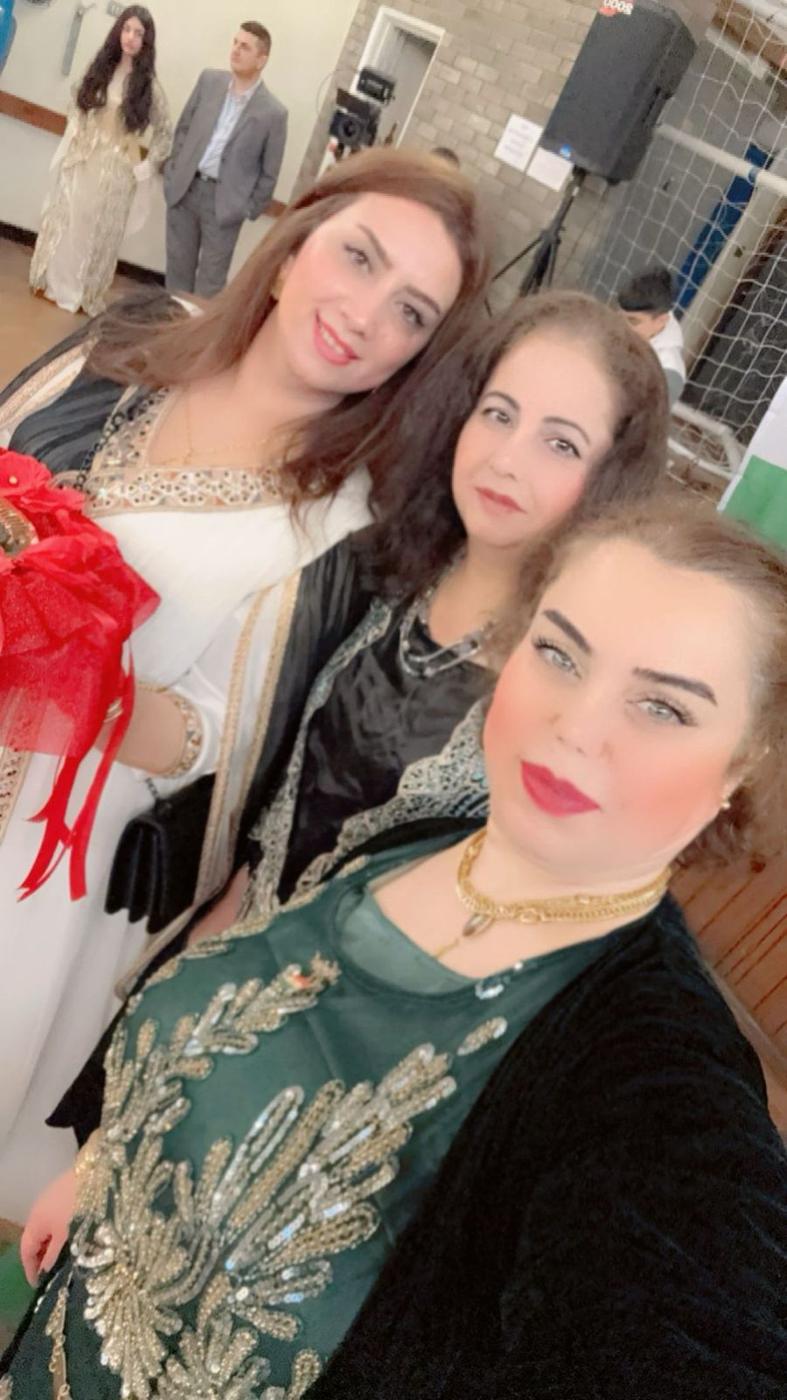
Kurdish and Arabic Ladies Group
Every Saturday, women meet to connect, share experiences and support each other through conversation, handicrafts, shared meals and dancing. Everyone is welcome to come along.
Get in touch
If you are pregnant, supporting someone who is pregnant, or working with refugee and migrant families, contact us to discuss the support and activities currently available. You can contact us directly or approach us through a community group you already know.